Categories
Mo-Curious

Mo’ Curious: The View from Beacon Hill

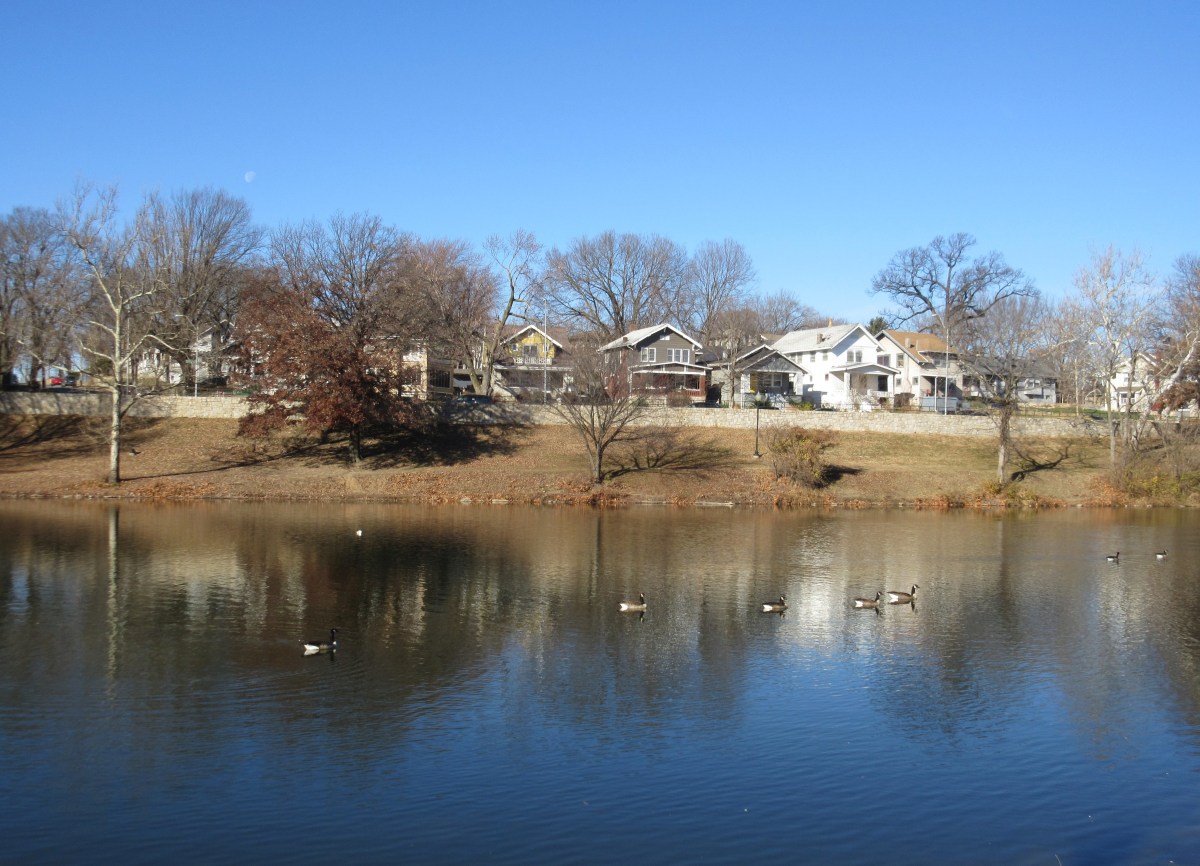
In 2019, my wife and I moved to Kansas City for her new job. We wanted to live in a real neighborhood with real people. We needed to dwell near enough downtown for her to walk and bike to work. The house we rented was in Beacon Hill. From our earliest days on Tracy Avenue, I immediately saw two neighborhoods existing in one urban space.

As the middle class fled Kansas City’s urban core after 1970, Beacon Hill’s fortunes changed. Many families and retailers decamped for greener suburban pastures. Numerous families stayed put in Beacon Hill. In recent years these long-timers had increasingly been joined by the likes of my wife and I: younger and mostly white professionals. Renters like us tended to drive up prices in the local rental housing market. Growing numbers of newcomers to Beacon Hill had bought available lots, then built and occupied new homes. These homes commanded prices previously unheard of in the 64108 zip code.

At my first neighborhood meeting, I met the leadership of the Beacon Hill/McFeders Community Council. These women had spent decades in Beacon Hill and raised families there. They were eager to share their neighborhood memoirs. In 2020 and 2021, seven long-time neighborhood residents discussed how their part of Kansas City had changed during their years there.

Drawing on oral histories conducted at the Black Archives of Mid-America in 2020 and 2021 this episode of Mo’ Curious podcast draws on the cultural memory of Kansas City’s Beacon Hill, one of Missouri’s urban neighborhood in transition.

Categories
Field Notes

Field Notes: Explaining 2020

When you look back on this time in a generation or so, what will you tell those who came of age after the pandemic of 2020-21? How can you describe the fundamental ways that life on Earth changed while humans dealt with the coronavirus?

Through my business, blog and podcast, I capture peoples’ stories. Often the stories from 2020 were not explicitly not about the pandemic (although it comes up every time.)

To write that the past year has been challenging is an understatement. Shutdowns, social distancing and mask-wearing make it hard to feel connected to the rest of the human world. At the same time, I feel truly blessed to be healthy, employed, well-fed and sheltered during this time. The same can not be said of many of my neighbors here in the Kansas City area.

The past year saw several trends play out. First, the virus sent work and meetings and civic life online where much of the world already was. Second, culture continued to splinter where every imaginable show, film or concert can be found available to stream most anywhere, anytime. Third, the look-at-me culture continued to dominate how we talk to and past one another.

In launching my Missouri history podcast, I touched on – for better or worse – each of on those 2020 trends.

Podcasting has certain conventions. The craft – if we can call it that – is aural in nature, not visual. Most podcasts have a recurring theme, bed music and hosts. Many creators edit audio productions that are of a consistent length and on a consistent schedule. I learned all that this year when I started Mo’ Curious.

The podcast and these Field Notes function as a way for me to feed my curiosity about a subject while telling the world “Hey, this is what’s on my mind right now.” As it turns out, doing the work of creating a podcast and audio blog is satisfying during the pandemic. It forces me to call other people and have a focused conversation. It lets me take my study of a topic in whatever direction seems most fitting and useful. I ultimately want that work to prove educational and entertaining for you with each shared post.

Producing a quality podcast deserves real work, so I aim to be honest with myself about my capacity. In 2020, I produced three full podcast episodes and 11 shorter Field Notes interviews all of which live at RecollectionAgency.com. I’ll aim to match that in 2021. No pressure.

A couple of generations from now, when you think back about the pandemic and try to explain it to someone born in, say, 2022, what will you tell them? From what will you draw upon for your memory? All now born digital, our photographs, e-mails and texts are ephemeral mementos.

Consider using this time to journal or record your experience of now. Or you can hire me to capture your story. Either way, these are strange times. Once the virus is gone, we’ll all crawl out of our homes one day blinking at the bright sun. We will be different then compared to how we were before the pandemic. I’ll be glad to tell stories around the real world campfire in 2040 about how it was during 2020.

I can also tell them, “You want to know how it was then? Take a listen to my podcast.”

Categories
Field Notes

Field Notes: ‘I wanted my children to know what real food tasted like.’

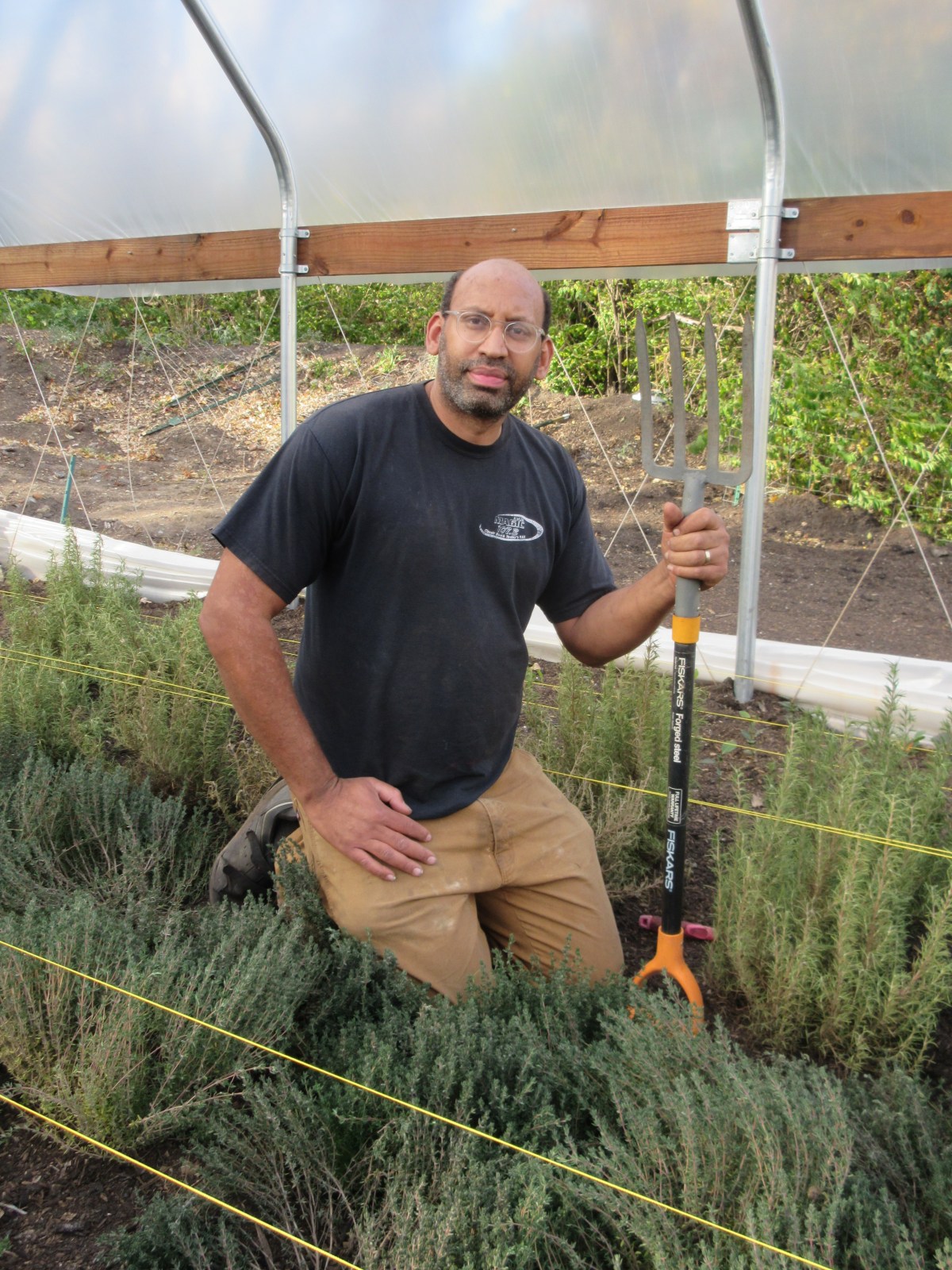
Mike B. Rollen grows food in the center of Kansas City. His culinary herbs fill a formerly vacant lot. Here, he shares his vision and some of the challenges to providing comestibles for urban residents.

Categories
Mo-Curious

Mo’ Curious: Bean’s Origins

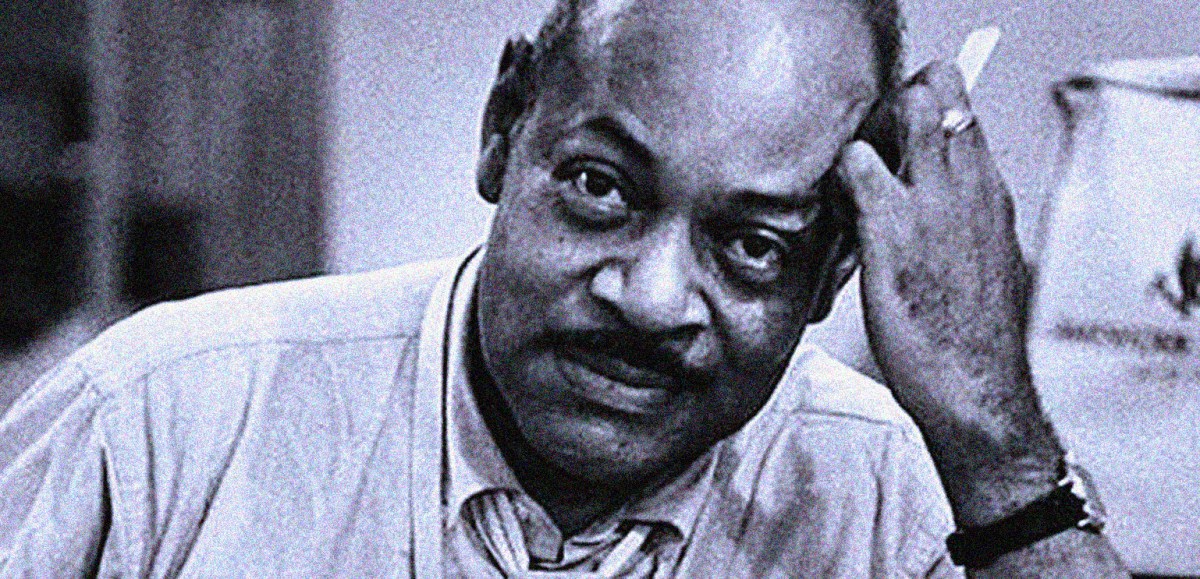
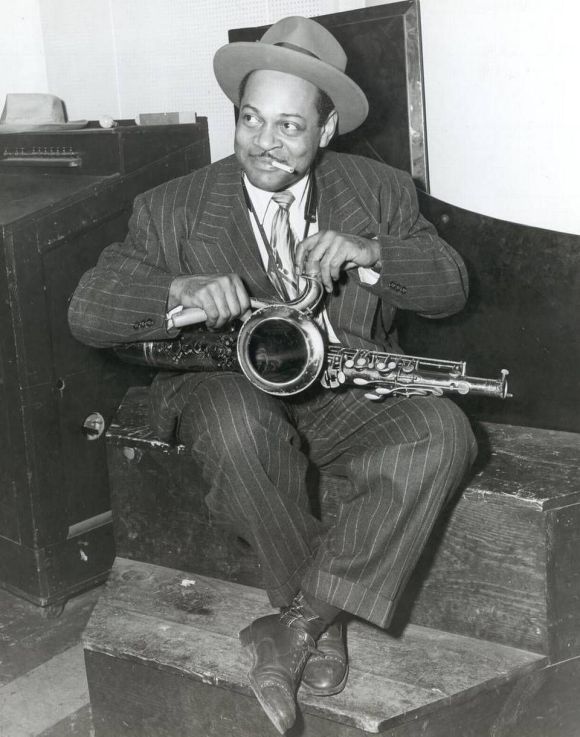
During a career that lasted over five decades, tenor saxophonist Coleman Hawkins travelled the world. Born in St. Joseph, Missouri in 1904, the talented young man attended music school in Kansas. He left Missouri for good in 1921 to seek his fortune and fame.

Coleman Hawkins

Bean, as he was nicknamed, lived much of his adult life in Europe and New York. He died in New York in 1969.

This episode of Mo’ Curious explains the St. Joseph of Hawkins’ youth. Drawing on the oral histories of a community leader, an activist and a pair of scholars, this episode explores how racism locally and opportunity elsewhere led Hawkins away from his native Missouri.

Mo’ Curious is an occasional podcast about the history of our 24th state. Thanks for listening. Be sure to tell your friends and your grandma about Mo’ Curious. (They may even think you are cool for knowing about this here Missouri history podcast.)

Photo credits: PastDaily.com / UMKC Dave E. Dexter Jr. Collection

Categories
Mo-Curious

Mo’ Curious: Start Your Engines

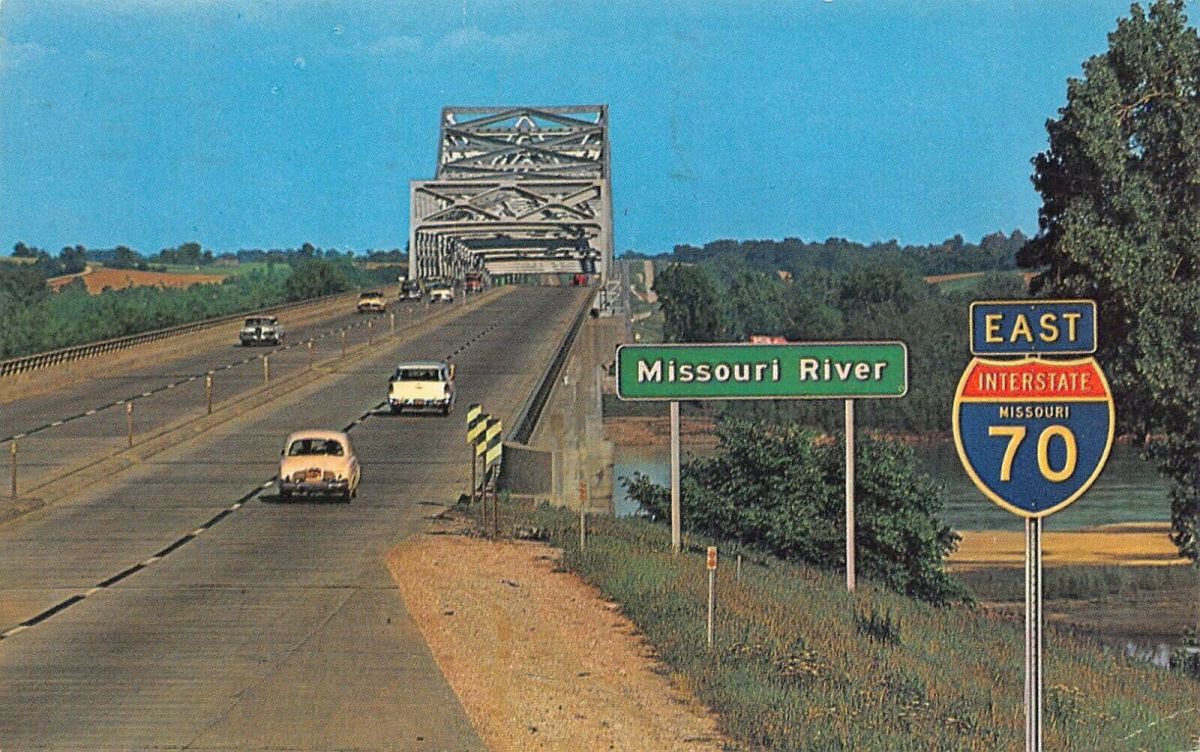
In this episode you meet three people – a trucker, a businessman and an activist – who discuss the very different ways their lives have been shaped by Interstate 70 in Missouri.

This episode of Mo’ Curious is generously sponsored by Missouri Life.

Categories
Mo-Curious

Mo’ Curious: Digging Deep

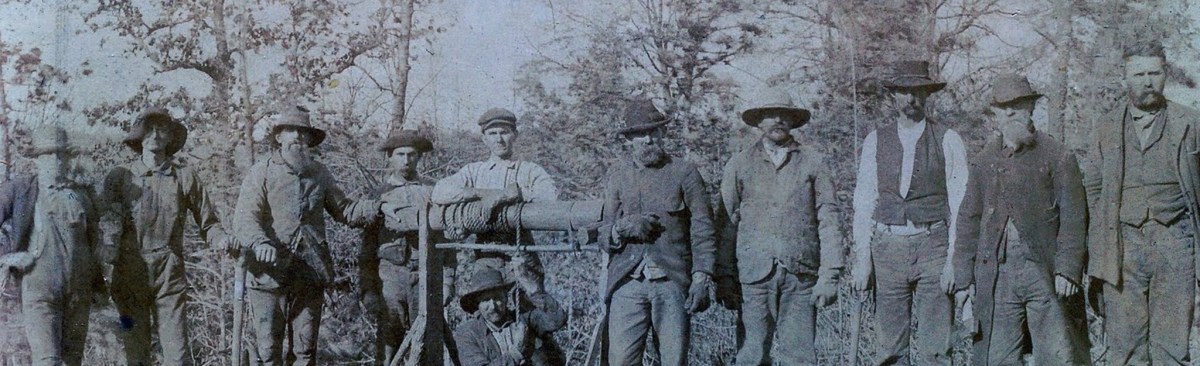
Climate change requires adaptation and, as a result, Missourians are now powering their lives with less pollution and more renewable energy. Windmills and solar panels have an increased footprint across the state, but for decades it was coal and coal mining that was a major force in Missouri’s energy production and economy.

In this episode of Mo’ Curious, you’ll meet four Missourians whose lives are deeply embedded within North Central Missouri’s mining history and culture. Macon County is the setting for “Digging Deep,” which draws on recent oral histories to describe a time when coal was king.

Mo’ Curious host Trevor Harris intertwines the narrative with observations from Steve Blomberg and George Morganwick, representing the Macon County Historical Society in Macon, and Patty Cheever and Lois McQuitty, who are affiliated with Bevier, Missouri’s Black Diamond Museum.

Go ahead and click below to learn how it was to mine coal and be married to a miner in Macon County, Missouri back in the 20th century.

Photo credit: Macon County Historical Society

Categories
Field Notes

Field Notes: “I cleared away a lot of stuff.”

Carol Romano is a long-time Columbia, Missouri resident and my former neighbor. On the eve of her 75th birthday, she talked about running away from home, finding her tribe and the role of contemplation in managing the pandemic.

Categories
Field Notes

Field Notes: ‘The Concept of One God Enthralled Me.’

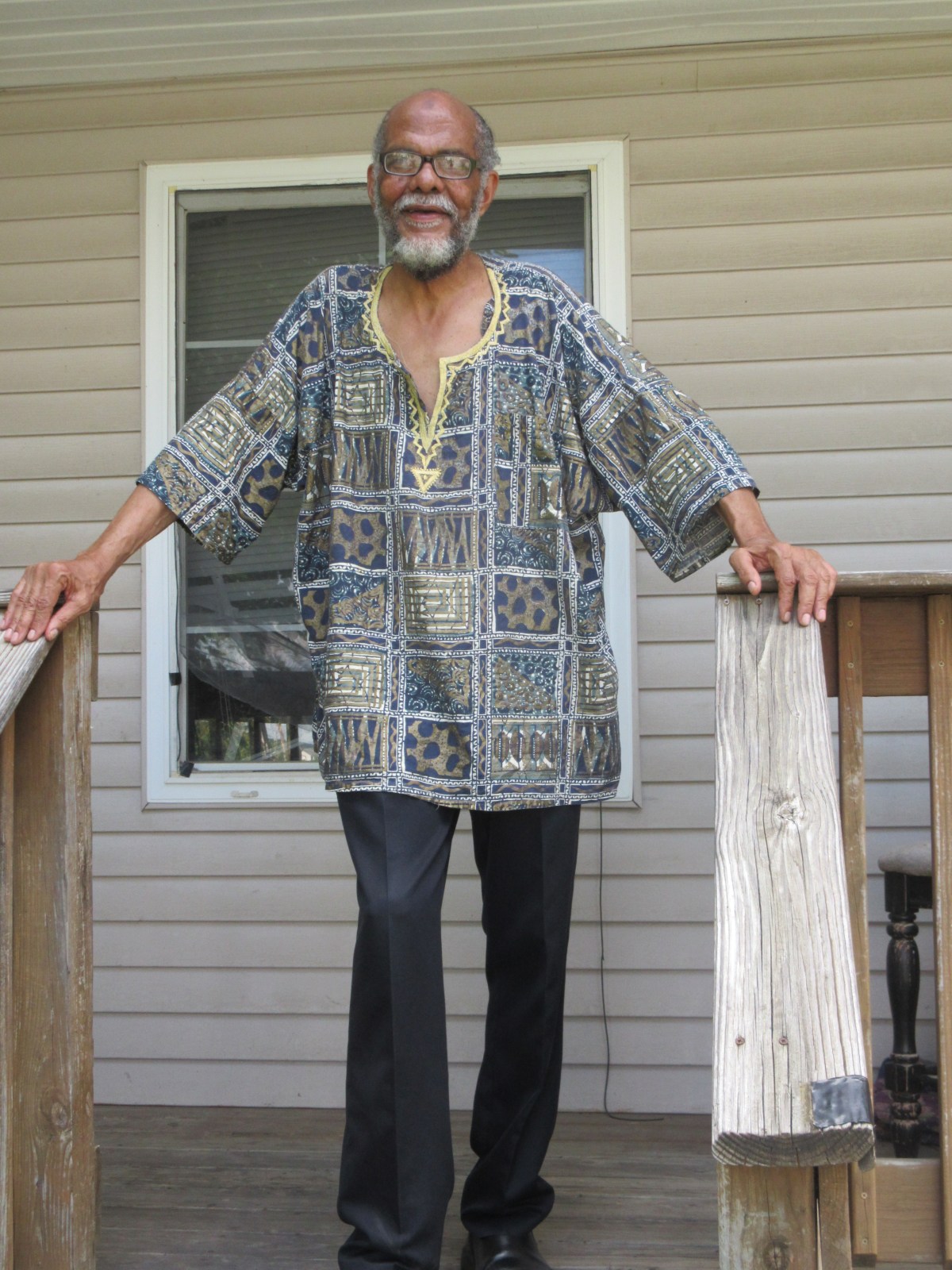
Growing up in St. Joseph, Ramadhan Washington spent a lot of time at a local Church of God In Christ. Incarcerated as a young man in the Buchanan County, Missouri jail, he met fellow prisoners imported from Kansas City who were practicing Muslims. Over fifty years after his conversion to Islam, Washington is an elder of the Islamic Center of St. Joseph. On a recent balmy summer afternoon, Washington detailed his conversion from the front porch steps of the home he shares with his wife.

Categories
Field Notes

Field Notes: Creating a More Perfect Union

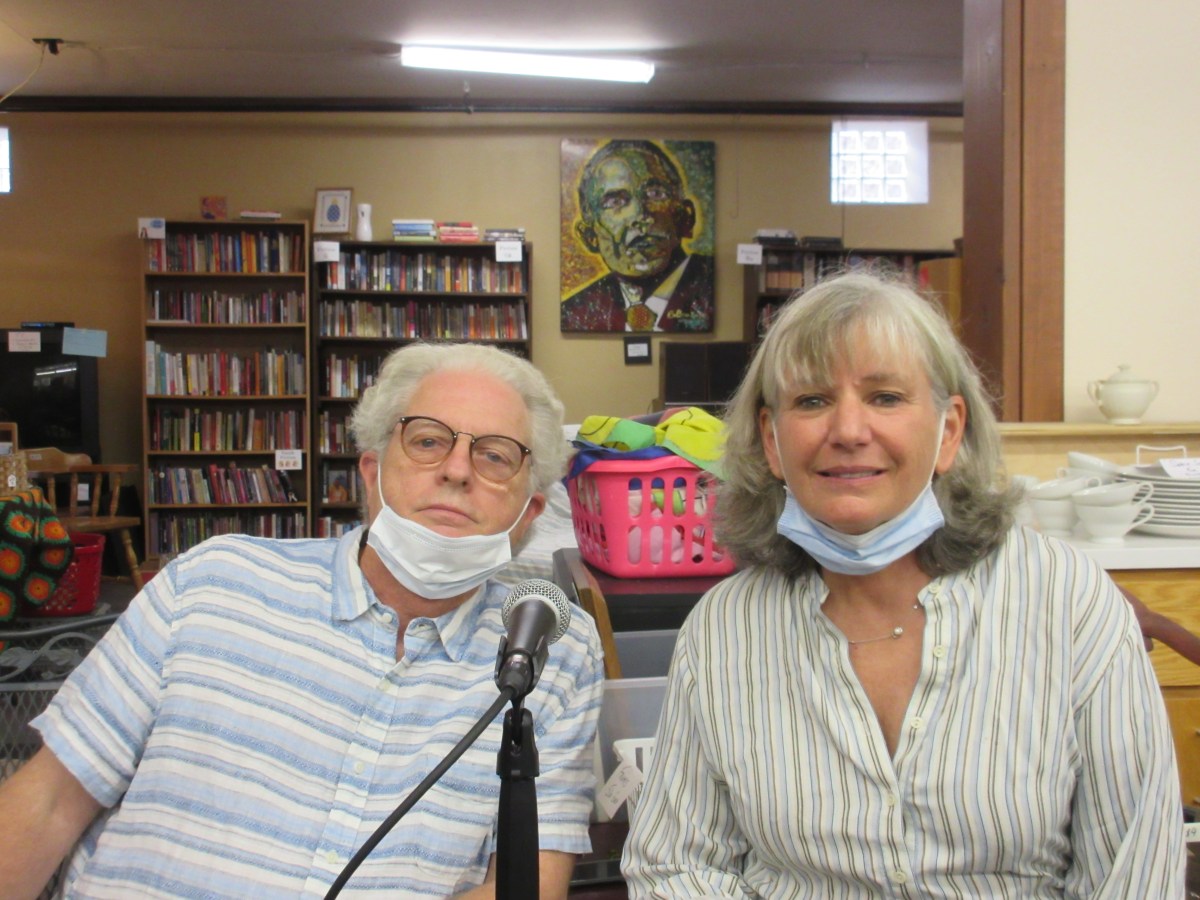
For 20 years, the Troost 39 Thrift Store has provided low-cost clothes, dishes, books and the occasional guillotine to shoppers. When the building was up for sale three years ago, Chuck and Toni Wurth bought it. Today, the couple maintains the space as thrift store with a mission.

Field Notes is an occasional series from the Recollection Agency. Contact us to learn more about the process of preserving your memories and creating shareable content.

Categories
Field Notes

Field Notes: ‘If they want me to give them two, I give them four.’

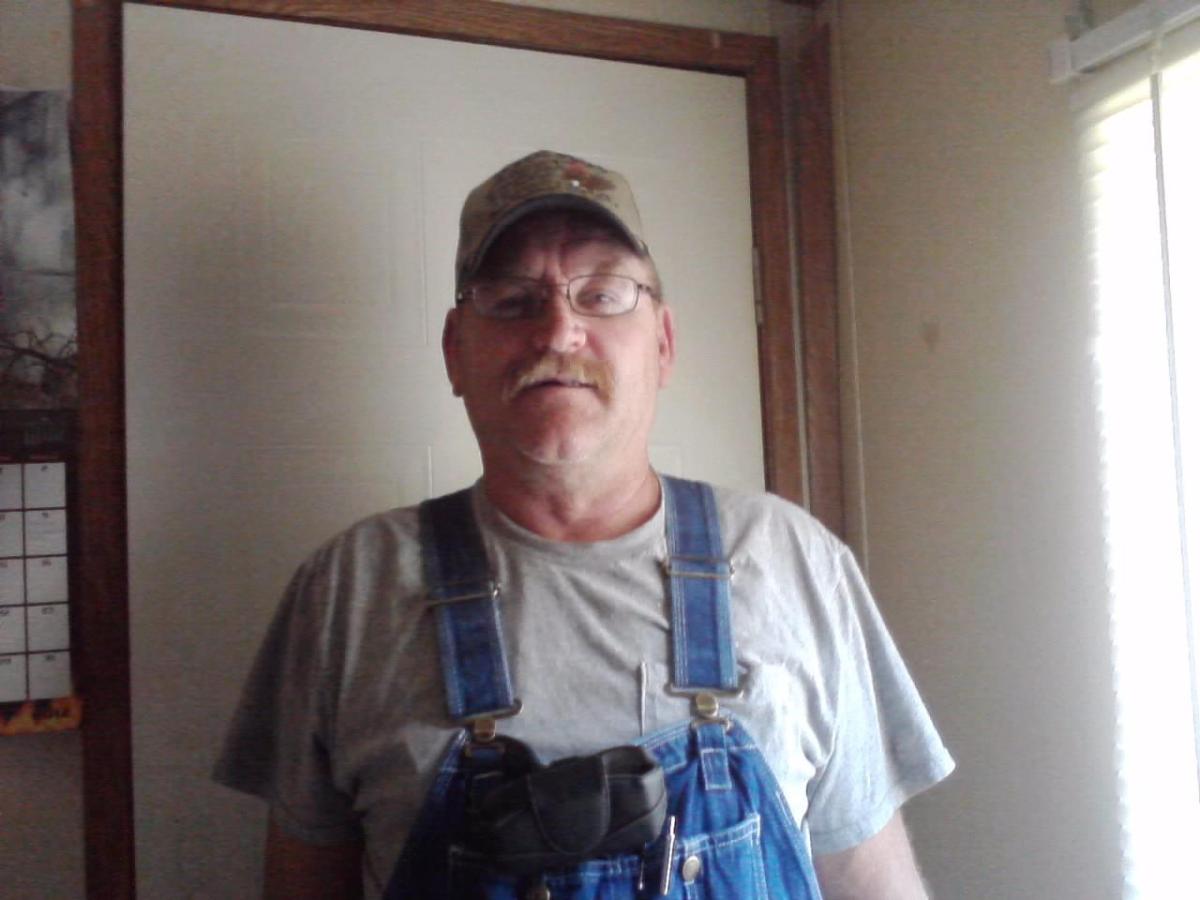
In each installment of my Field Notes from the Recollection Agency, I talk to someone with an interesting backstory. Here, Scott Lunceford* talks about government cheese, how re-enacting 1855 can be a family activity and why it pays to bring your harmonica to church.

Listen to other Field Notes and learn more about the Recollection Agency at RecollectionAgency.com and on social media.

*Scott says we “are always family”, but our official status is that of ex-step-cousins. -Trevor